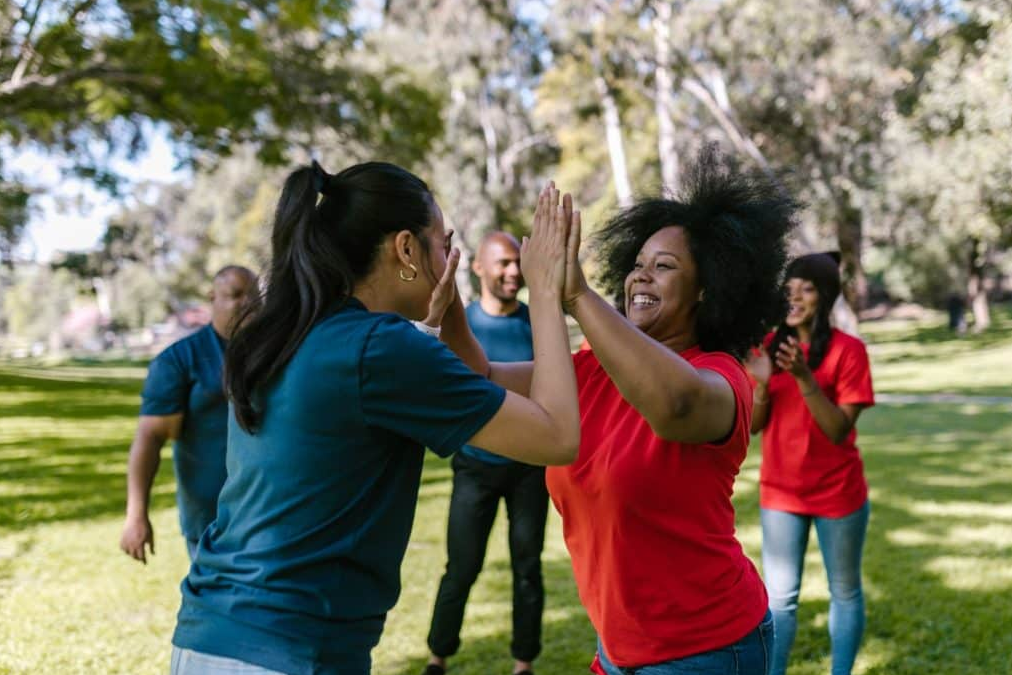



Nonprofits thrive on mission—but it’s people who carry that mission forward. Whether your team is three staff members, 30 volunteers, or a mix of both, how they work together directly impacts your effectiveness and reach.
Strong teams aren’t just a “nice to have” in the nonprofit world. They’re essential. You can’t deliver your programs, serve your clients, or advocate for your cause without collaboration, communication, and trust.
When your team is aligned and energized, your mission gains momentum.
That’s why intentional team development should be part of every nonprofit’s strategy. It’s not just about workplace culture—it’s about sustainability and service impact.
Here’s what effective team development looks like in the nonprofit space:
- Clarity of roles so no one is burned out or duplicating effort
- Communication habits that keep remote or hybrid teams connected
- Conflict resolution tools to maintain trust when challenges arise
- Shared leadership practices that empower and retain talent
Nonprofits often run lean. But investing in team development pays off by reducing turnover, increasing engagement, and ultimately helping your organization do more good—with less friction.
A unified team isn’t a luxury. It’s a force multiplier.